
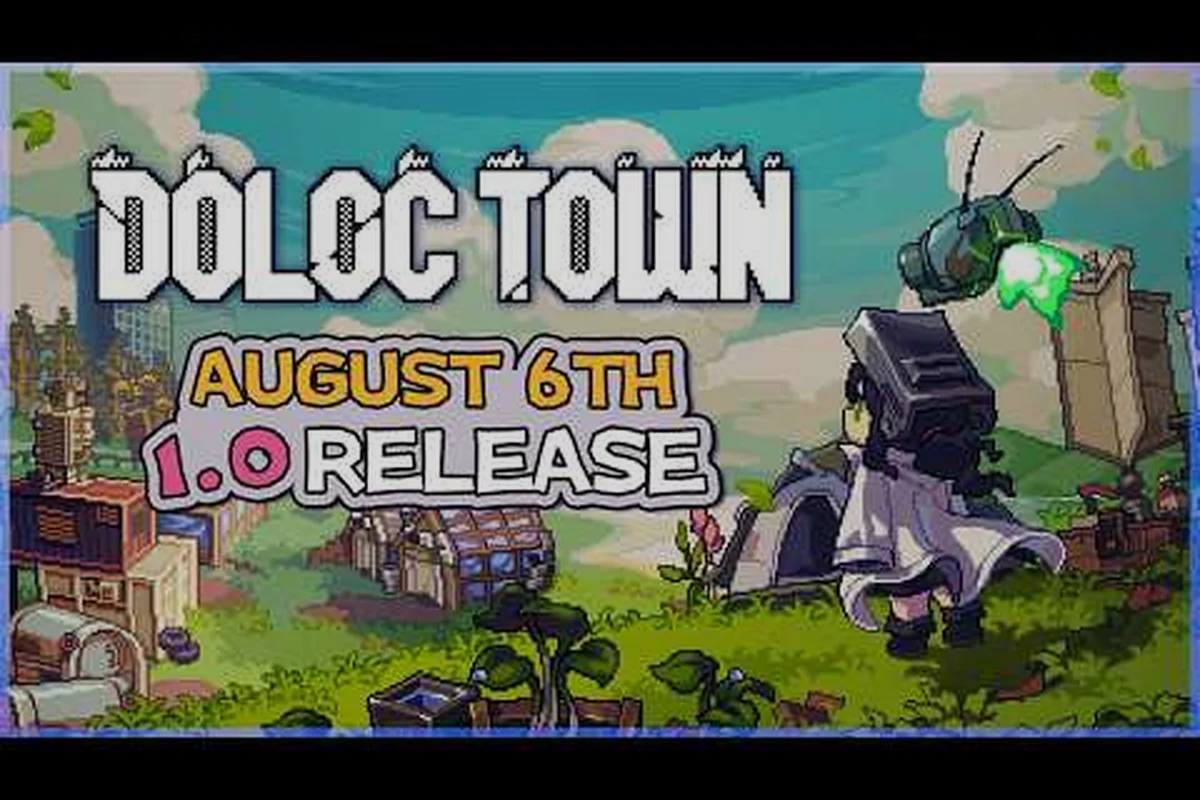
垂直農場はDoloc Townの中核であり、プラットフォーム構築を正しく学ぶことが、苦戦する入植者と繁栄するポストアポカリプス農場を分けるポイントです。2026年8月6日のDoloc Town自動化1.0のリリースに伴い、ビルドシステム全体にメジャーアップデートが入り、ソーラーパネル、風力タービン、ドローンステーションがワークフローに追加されました。作物に自分で種をまき、成長し、収穫させながら荒野を探索したいなら、プラットフォームベースのグリッドをマスターすることは必須です。このガイドでは、最初の木材から完全に自立した電力ネットワークまで、システムのすべてのレイヤーを徹底的に解説します。
Doloc Townにおけるプラットフォーム構築の基礎
Doloc Townのすべての農場は外側ではなく上方向に成長するため、プラットフォームグリッドを理解することが新規プレイヤーが最初に習得すべきスキルです。プラットフォームは土壌ベッド、スプリンクラー、照明器具、そして自動化1.0で導入された自動化ハードウェアを支える耐荷重層として機能します。Doloc Town Steamページによると、垂直農場構築はゲームプレイループの核となる柱とされており、コミュニティデータでは、初期のプラットフォームのミスが後半の電力不足につながることが確認されています。
プラットフォームシステムの理解
各プラットフォームは横スクロール農場ビューで1つのグリッドタイルを占め、構造的な完全性が問題になる前に最大6段まで積み重ねることができます。プラットフォームは隣接するタイルとサポートビームを通じて接続され、サポートビームは上層プラットフォームが建設可能になる前に床レベルに設置する必要があります。ビームの設置をスキップしたプレイヤーは、土壌ベッドが灌漑アクセスなしで浮遊し、給水サイクルが完全に崩壊することに気づくことがよくあります。
コア素材とリソース
序盤の素材ループは、スクラップ木材、サルベージメタル、精製ボルトを中心に展開し、これらすべてはマップ中に散在する遺跡から収集されます。進行すると、強化プレートと回路基板が中級プラットフォームのアンロックを可能にし、より重い自動化機器をサポートします。
| 素材 | 入手先 | アンロックされるプラットフォームティア | 備考 |
|---|---|---|---|
| スクラップ木材 | 遺跡、樹木サルベージ | ティア1 | 電力供給なし |
| サルベージメタル | 残骸、スクラップ山 | ティア2 | 給水管を追加 |
| 精製ボルト | ワークショップクラフト | ティア3 | 自動化ノードに必須 |
| 強化プレート | 製錬炉の出力 | ティア4 | ソーラーパネルに対応 |
| 回路基板 | 技術サルベージ | ティア5 | ドローンステーションに必須 |
| フュージョンコア | エンドゲームクラフト | ティア6 | フルグリッドで最大ティア |
素材の優先順位についてさらに詳しい解説を求める方は、building guideがスクラップ収集からフュージョン層クラフトまでの完全なクラフトチェーンをカバーしています。
自動化1.0の電力網計画
Doloc Town自動化1.0の最大の特徴は、すべての自動化デバイスが電力を消費する永続的電力網の導入です。アップデート前まで、スプリンクラーと照明はローカルタイマーで動作していました。現在では、ソーラーパネル、風力タービン、バックアップ発電機が統合ネットワークに給電し、慎重な計画が必要です。適切なグリッド配置がなければ、農場は夜間サイクルや嵐の際に停電に見舞われます。
発電機と電力源
3種類の発電機がグリッドのバックボーンを形成します。ポータブル発電機は建設コストが安価ですが燃料を急速に消費するため、始めたての農場にのみ適しています。1.0アップデートで導入されたソーラーパネルは日中のクリーンエネルギーを提供し、風力タービンは終日出力を生成しますが、高所への設置が必要です。1.0のプレスリリースは、これら3つの電源を新しい自動化ビルダーのための意図された進行パスとして明示しています。
プラットフォームをグリッドに接続する
自動化機器を備えたすべてのプラットフォームには、発電機まで戻る電力コンジットが必要です。コンジットは複数のプラットフォーム間でデイジーチェーン接続できますが、各リンクは約2%の送電損失を加えます。大規模な農場では、発電機をプラットフォームスタックの幾何学的中心に配置すると、コンジットの総長を最小化し、損失を10%未満に抑えられるとプレイヤーから報告されています。
| 発電機タイプ | 出力(ユニット/日) | 必要燃料 | 最適な設置場所 |
|---|---|---|---|
| ポータブル発電機 | 40ユニット | 2燃料/日 | スターターベース、地上階 |
| ソーラーパネル | 25ユニット | なし | 屋上、南向き |
| 風力タービン | 35ユニット | なし | 高所プラットフォーム、ティア4以上 |
| ハイブリッドアレイ | 60ユニット | 1燃料/日 | 後半の中央ハブ |
異なる農場レイアウトを比較したいプレイヤーには、farm layout guideがコンジット長と太陽光発電への露出のバランスを取る複数のテスト済み構成を紹介しています。
ドローンステーションと自動化セットアップ
自動化1.0で最もエキサイティングな追加要素はドローンステーションであり、種まきから収穫までの農作物サイクル全体を自動化します。各ステーションタイプは成長の1つのフェーズを処理するため、完全に最適化された農場には少なくとも3つのステーションが順番に稼働する必要があります。コミュニティのDiscordチャンネルでプレイヤーから報告されているところでは、電力とプラットフォームサポートが安定すると、ドローンステーションは手動管理の農場の日次収量を約3倍にします。
シーディングドローン
シーディングドローンには、少なくとも1種類の作物が装填されたシードホッパーと、空の土壌ベッドへのアクセスが必要です。日中、90秒サイクルで飛び立ち、準備された土壌のある隣接プラットフォームに種子を植えます。エネルギー消費は控えめで1時間あたり3ユニットであり、稼働コストが最も安いドローンです。
ナーサリングドローンとハーベスティングドローン
ナーサリングドローンは給水と施肥を引き継ぎ、発売前のゲームプレイで主流だった手動スプレイヤーを置き換えます。接続された灌漑タンクから水を汲み上げ、固定スケジュールで栄養分を適用します。ハーベスティングドローンは1時間あたり7ユニットと最も電力を消費しますが、成熟した作物を自動的に収集し、範囲内に設置されたストレージチェストに預け入れます。
| ドローンタイプ | サイクルタイム | 電力消費 | 必要なアドオン |
|---|---|---|---|
| シーディングドローン | 90秒 | 3ユニット/時 | シードホッパー |
| ナーサリングドローン | 120秒 | 5ユニット/時 | 灌漑タンク |
| ハーベスティングドローン | 180秒 | 7ユニット/時 | ストレージチェスト |
| コンバットドローン | オンデマンド | 10ユニット/時 | ウェポンベイ |
新しい農場の計画を立てており、視覚的な例が必要な方は、vertical farm buildingの記事に複数ティアのドローン配置の注釈付きスクリーンショットがあります。
プラットフォームによる垂直農場の拡張
コア農場が安定したら、Doloc Town自動化1.0では農場拡張テリトリーがアンロックされ、新しいバイオームで追加の垂直区画を主張できます。各テリトリーには独自の気候特性、土壌品質、天候ハザードがあります。Harvest Fusionアップデートノートによると、拡張テリトリーは新しい自動化ツールと自然に連動する遺伝子改変システムを導入しています。
マルチティア構成
生産的な6ティア農場はレイヤーにわたって役割を分担します。下部2ティアは地上階の配管が必要なため、水貯蔵庫と灌漑タンクを収容します。中央2ティアは土壌ベッドとドローンステーションを保持し、上部2ティアは太陽光と風の露出を最大化するためにソーラーパネルと風力タービンを搭載します。ベテランプレイヤーによって標準的なエンドゲームレイアウトとして報告されているこの構成は、電力網を短く保ち、ドローンの飛行経路を明確に保ちます。
セラーアップグレードとストレージ
地上階の下には、保護されたストレージと加工施設を提供するセラーシステムがあります。セラーアップグレードには脱水機、缶詰ステーション、ジェネラボが含まれ、それぞれが生の収穫物を高価値の加工品に変換します。セラーアップグレードは電力を消費するため、停電時に地表グリッドを消耗させないように、バックアップ発電機に直接隣接して設置する必要があります。
| 農場ティア | 主な用途 | 電力負荷 | 推奨ビルド順 |
|---|---|---|---|
| ティア1-2 | 水、配管 | 低 | 最優先で建設 |
| ティア3-4 | 土壌、ドローン | 高 | 電力確保後に建設 |
| ティア5-6 | ソーラー、風力 | 自給自足 | 安定後に建設 |
| セラー | 加工、ストレージ | 中 | バックアップ発電機と一緒に建設 |
ビルドタイプを並べて比較したいプレイヤーは、現在のパッチで利用可能なすべての構造の簡単参照としてbuilding types listを確認してください。
高度な自動化戦略と最適化
基本が稼働したら、農場の最適化は数値ゲームになります。電力効率、ドローンのルーティング、天候回復力はすべて、思慮深い計画が報われる形で相互作用します。Redditスレッドで共有されたコミュニティテストによると、85%以上のグリッド効率で稼働する農場は、最適化されていないビルドの約2.4倍の利益を生成するため、最適化フェーズは十分に価値があります。
電力負荷の分散
ソーラーパネルは夜間にゼロ出力に低下するため、後半の農場には蓄電池か、太陽光発電、風力発電、燃料発電機を組み合わせたハイブリッドアレイのいずれかが必要です。Discordサーバーで複数のプレイヤーによって検証された一般的な最適化は、2基の風力タービンと1基のソーラーパネル、1基のポータブル発電機をペアリングすることで、あらゆる天候条件でグリッドを安定させます。エネルギー貯蔵バンクは過剰な昼間の生産を夜間使用のためにバッファリングすることもできますが、希少な回路基板を建設コストとして必要とします。
主要なプラットフォーム構築の最適化戦略:
-
中央発電機配置 — コンジットの総長を最小化し、送電損失を10%未満に抑える
-
冗長な風力タービン — 砂塵嵐、酸性雨、ロングナイトフェスティバルによる暗闇に対する最も信頼性の高い防御
-
エネルギー貯蔵バンク — 過剰な昼間の太陽光発電を夜間ドローン運用にバッファリング
-
コンジット長の短縮 — コンジットの各タイルが約2%の送電損失を加えるため、最短経路で配線する
-
ドローンルーティングアップグレード — クラスターを正方形または長方形に保ち、ドローンがプラットフォームの端を効率的に辿れるようにする
-
6ティア農場の分割 — 下部ティアは水/配管、中央ティアは土壌/ドローン、上部ティアはソーラー/風力
-
セラーをバックアップ発電機に隣接 — 停電や電力低下時の加工停止を防止
-
ティア1スクラップ足場プレビルド — 高価な合金素材を投入する前に、安価なビジュアルレイアウトテスト
-
ハイブリッドアレイ(風力2 + ソーラー1 + 発電機1) — 全天候安定性のためのコミュニティ検証済み組み合わせ
-
85%以上のグリッド効率目標 — このしきい値で稼働する農場は最適化されていないビルドの約2.4倍の利益を生成
天候に関する考慮事項
Doloc Townのポストアポカリプス気候は砂塵嵐、酸性雨、ロングナイトフェスティバルを農場に持ち込み、それぞれが自動化グリッドを異なる形で圧迫します。砂塵嵐は持続時間中のソーラー出力を70%削減し、酸性雨は保護されていないプラットフォームを損傷します。Harvest Fusionアップデートで導入されたロングナイトフェスティバルは、ゲーム内の数日間暗闇を延長し、農場が風力と燃料電力のみに依存するように強制します。コミュニティデータによれば、冗長な2基目の風力タービンの建設が、これらの天候イベントに対する最も信頼性の高い防御です。
| 最適化 | 効率向上 | 実装コスト |
|---|---|---|
| 中央発電機配置 | +12% | 低 |
| 冗長な風力タービン | +18% | 中 |
| エネルギー貯蔵バンク | +9% | 高 |
| コンジット長の短縮 | +5%(節約したタイルごと) | 無料 |
| ドローンルーティングアップグレード | +14% | 中 |
プラットフォーム配置のステップバイステップ解説を求める視覚的学習者には、how to build platformsガイドに注釈付きスクリーンショットと6ティアビルドのサンプルが含まれています。
Doloc Townが約1,948件のSteamレビューで95%の圧倒的に好評評価を維持していることを考えると、自動化1.0アップデートはコミュニティに明確に好評を博しています。特定のビルド順について質問がある場合や、独自のプラットフォーム構成を共有したい場合は、コメント欄にお寄せいただき、農場で最も効果的だったグリッドレイアウトをお知らせください。
よくある質問
構造的崩壊前に何段までプラットフォームを積み重ねられますか?
エンジンは通常条件下で農場スタックあたり最大6ティアをサポートします。6ティアを超えると構造警告が発せられ、その高さを超えるプラットフォームは、フュージョン層のサポートで補強されない限り、嵐の際に崩壊します。
ロングナイトフェスティバル中もドローンステーションは稼働しますか?
はい。ただし、ソーラー入力なしでグリッドがドローンを維持できる場合に限られます。多くのプレイヤーは風力タービンとバックアップポータブル発電機をペアリングして、ソーラーパネルが夜間にゼロ貢献であるため、延長された暗闇の間もドローンを稼働させています。
プラットフォームを配置後に移動できますか?
プラットフォームは解体して再構築できますが、土壌の状態とそのティアで現在成長中の作物がリセットされます。コミュニティ報告によると、再構築アニメーションはタイル1つあたり約15分のゲーム内時間を要するため、大規模な移設は慎重に計画してください。
完全自動化への最安パスは何ですか?
単一のポータブル発電機、1機のシーディングドローン、3ティア農場上の1機のナーサリングドローンから始めましょう。このセットアップは最小限の素材でコストを抑え、農作物サイクルの最も遅い部分を自動化します。収入が安定したら、ハーベスティングドローンと太陽光発電に拡張できます。
天候はプラットフォームの耐久性に影響しますか?
はい、酸性雨は嵐ごとに保護されていないプラットフォームの耐久性を約5%低下させます。露出したティアに強化プレートを追加すると、この損傷を防ぎ、プラットフォームの寿命を大幅に延ばします。これは後半のフュージョン層ビルドで最も重要です。