
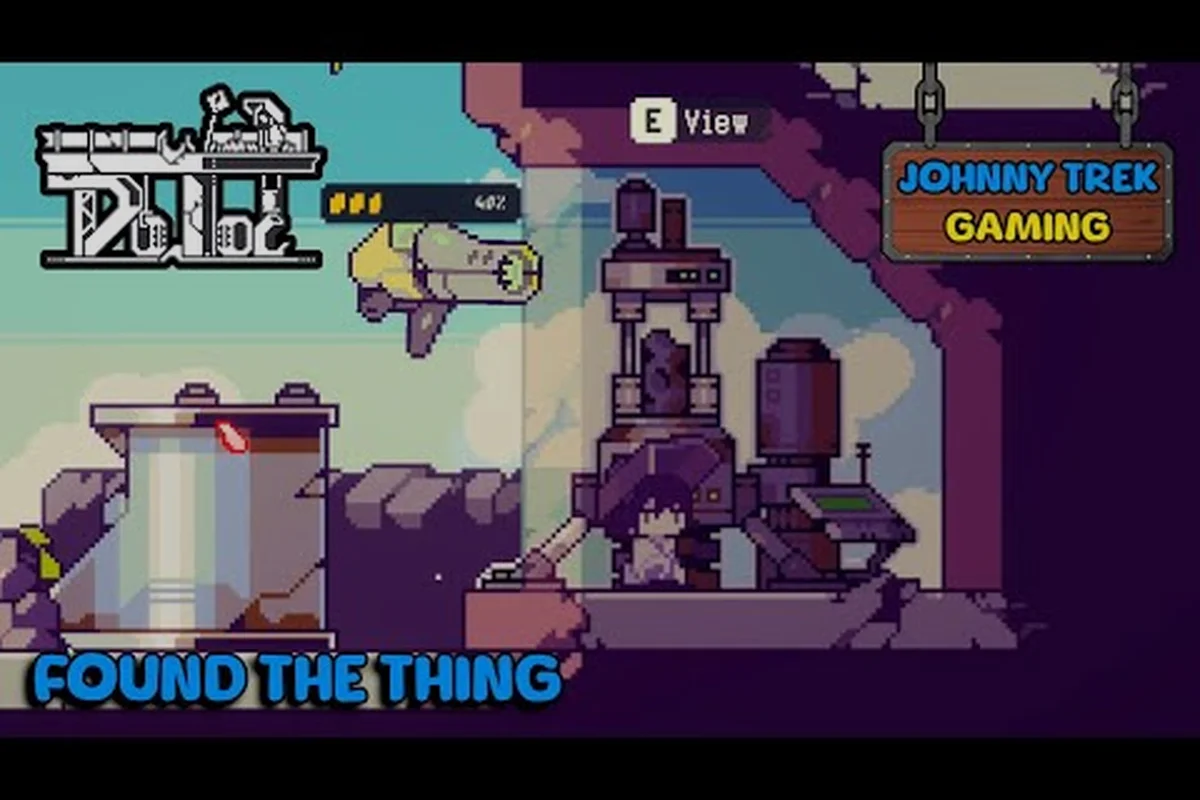
Doloc Townの4つの過酷な季節を生き延びるには、酸性雨、雷、焼けつく暑さをマスターする必要があります。このDoloc Townシーズンガイドでは、すべての天気イベント、防御方法、遺伝子シナジーを解説し、一年を通じた農場の成功を実現します。
Doloc Townシーズン概要
Doloc Townは、ポストアポカリプスの世界の厳しさと一致する4シーズンサイクルで稼働しています。各シーズンはおよそ10インゲーム日続き、次の天候が到来する前に作物を植え、収穫し、拠点を強化するための短い窓があります。Doloc Town Steamページによると、ゲームは汚染された風景にプレイヤーを放り出し、Mistshade、Raincrest、Blazefall、Emberreachがそれぞれ独自の致命的な天候パターンをもたらし、保護されていない作物を破壊し、建物を損傷させ、キャラクターにデバフを与えます。
| シーズン | 主要天気 | 主要脅威 | 推奨準備期間 |
|---|---|---|---|
| Mistshade | 冷霧と霧雨 | 低体温症、作物の成長遅延 | 前シーズンの38〜40日目 |
| Raincrest | 酸性雨 | 作物破壊、皮膚ダメージ | 前シーズンの48〜50日目 |
| Blazefall | 雷嵐 | 火災ダメージ、停電 | 前シーズンの58〜60日目 |
| Emberreach | 焼けつく暑さ | 脱水、作物枯死 | 前シーズンの68〜70日目 |
季節のサイクルは単なる演出ではありません。Doloc Townのすべてのメカニクスは天候のタイミングに関連しており、遺伝子の活性化から水ポンプの動き方まで影響します。ゲームを初めて始めたプレイヤーは、プラスチックカバーなしでRaincrest中に酸に弱い作物を植えるだけで、収穫物全体を損失することがよくあります。長期的生存の鍵は、各シーズンを独自の建設目標、作物リスト、装備交換を伴う個別のプロジェクトとして扱うことです。より広範なDoloc Town探索ガイドでは、どのシーズンがアクティブかによって異なるバイオームのルートテーブルがどのように変化するかも解説しているため、カレンダーに合わせてルートを計画することが不可欠です。
MistshadeとRaincrest:雨の季節
年の最初の2シーズンは水に支配されていますが、その水の振る舞いはどのシーズンにいるかによって大きく異なります。Mistshadeは2つのうち穏やかですが、RaincrestはDoloc Townで最も過酷なメカニクスの一つを導入します。
Mistshadeの寒冷と霧のメカニクス
Mistshadeは晩年のシーズンと比較してマップを15〜20度冷却し、厚い霧が2インゲーム日ごとに押し寄せます。視界は約40メートルまで低下するため、トーチやランタンを持たずに拠点から離れると探索は危険になります。基準気温がほとんどのスターター種子の最適発芽範囲を下回るため、Mistshade中は作物の成長が約20%遅くなります。
利点は雨が頻繁に降ることで、Doloc Townの農業システムは降水にさらされた作物を自動的に水やりします。Steamコミュニティのプレイヤーによって報告されたところによると、畑が屋外にある限り、シーズンの約70%を手動水やりをスキップできます。Mistshade中に農業を行う場合は、Taro RootやFrost Lettuceのような耐寒性作物を優先してください。これらは霧の中でも成長ボーナスを維持します。温室用のHeaterへの投資もここで利益をもたらします。なぜなら、成長遅ペナルティを相殺し、Raincrestが始まる前に2回目の収穫を推進できるからです。
Raincrestの酸性雨の危険
Raincrestは、このDoloc Townシーズンガイドが穏やかなアドバイスからハードな生存ルールに切り替わる場所です。Raincrest中の雨は酸性で、露出したままの作物、構造物、動物は継続的なダメージを受けます。ゲームの発売資料によると、酸性雨は1インゲーム時間あたりで作物の健康の約8%を剥ぎ取るため、保護されていない1日で畑全体を全滅させる可能性があります。
| 防御タイプ | 範囲 | 耐久性 | 最適な使用対象 |
|---|---|---|---|
| プラスチックカバー | 単一の3x3区画 | 5シーズン | スターター作物、ハーブガーデン |
| ガラス温室 | 6x6屋内エリア | 永久 | 高価値作物、通年 |
| タープオーニング | 2x1列 | 3シーズン | トレリス豆、つる作物 |
| 地下貯蔵庫 | 4x4ストレージ | 永久 | 種子貯蔵、水樽 |
解決策は、シーズン切り替え前に少なくとも1つのガラス温室を建設することです。なぜなら、プラスチックカバーは酸性ダメージの約60%しかブロックせず、すぐに摩耗するからです。Doloc Town 1.0プレスリリースで共有されたコミュニティテストでは、最初のRaincrestの前に温室を建設した農家は、タープに依存した農家よりも約40%多くの作物を救ったことが確認されています。Doloc Town湿地ガイドでは、Raincrest中はWetlandsバイオームを立ち入り禁止区域に指定しています。湛水したプールが酸性濃度を保護されていないキャラクターにとって致命的なレベルまで高めるためです。
BlazefallとEmberreach:暑い季節
MistshadeとRaincrestが過ぎると、気候は反転します。年の後半は、火と熱に支配された2つの季節がもたらされ、水供給、電力網、熱耐性に負担をかけます。
Blazefallの雷嵐イベント
Blazefallは、2〜3インゲーム日ごとに空を横切る絶え間ない雷にちなんで名付けられました。各落雷は5メートル圏内のすべてに重大なダメージを与え、木造構造物、露出した動物、トウモロコシのような背の高い作物はすべて火災の危険になります。ゲームは対抗手段を提供しています:避雷針構造物です。背の高い建物の頂上に避雷針を建設すると、15メートル圏内の落雷を吸収し、エネルギーを電力網に無料の電気として送ります。
| 建物 | 落雷ごとのエネルギー | 避雷針がない場合のリスク | コスト |
|---|---|---|---|
| 木造キャビン | 0エネルギー | 全焼ダメージ | 木材30 |
| 避雷針 | 8〜12エネルギー | なし | 金属12、ワイヤー4 |
| ソーラーパネル | 0(パッシブ) | 嵐ダメージ15% | 金属20、ガラス10 |
| 水道塔 | 0エネルギー | 熱で蒸発 | 金属15、石材8 |
単一の避雷針スタックでBlazefall中に小さな農場全体を電力供給でき、これはゲーム内で数少ない無料エネルギーテクニックの一つです。コミュニティデータによると、よく配置された3本のロッドネットワークは、年に残り期間を自動灌漑ポンプを動かすのに十分な余剰電力を捕捉します。そのため、Blazefallは実際には電力インフラをアップグレードする最良のシーズンです。ただし、嵐が近づいてきたときにロッドの隣に立っていないようにしてください。落雷には依然として小さなスプラッシュ半径があるからです。
Emberreachの焼けつく暑さ
最終シーズンであるEmberreachは、ほとんどの作物が介入なしでは生きられない温度以上に押し上げます。開いた樽からの水は 約3倍速く蒸発し、直射日光にさらされた動物は4インゲーム時間後に健康を失い始めます。コミュニティの報告によると、Emberreachは新しいプレイヤーにとって農場全滅の主要原因であり、日陰構造や冷却貯蔵に投資しない場合に発生します。
解決策は2つあります。まず、石製貯水槽を地下に建設し、少なくとも200ユニットの水を熱から断熱します。次に、Ash GourdやSun Barleyのような急速成熟作物を植えます。これらは実際には乾燥条件に適応しているため、Emberreach中に25%の成長ボーナスを得ます。Doloc Town郊外ガイドでは、Emberreach中はOutskirtsバイオームを推奨しています。その岩場は自然な洞窟の日陰を提供し、レアな鉱石の出現があり、年がリセットされる前の最良の晚年採掘地域になるためです。
天候ハザードと防御戦略
シーズン特有の脅威を超えて、Doloc Townは長期的な農場が計画する必要があるいくつかの永続的な天候ハザードを重ね合わせています。中核防御フレームワークは4つの構造物を中心に展開しており、拠点レイアウトに適した組み合わせを選択することが、苦しむ農場と繁栄する農場を分かつものです。
-
プラスチックカバーは最も安価な酸性雨防御であり、スターター作物に適していますが、5シーズンで摩耗し、温度制御を提供しません。
-
ガラス温室は酸性雨をブロックし、Mistshade中に熱を保持し、Emberreach中に日光を反射するため、通年農業のゴールドスタンダードです。
-
避雷針は致命的なハザードを無料のエネルギーに変換し、3〜4本積み重ねると自動スプリンクラーを動かすのに十分なマイクログリッドを作成します。
-
ヒーターとクーラーは、外部天気に関係なく屋内作物セルを最適な22度範囲に保つ気候制御ユニットです。
-
風力タービンは、谷全体で風速が2倍になるRaincrest嵐時に出力がピークになります
-
ケラチン化遺伝子モジュールは長シーズン作物で、カバーなしでフルシーズン酸性雨露出を生き延びます
-
バッテリーバンクティア2は、避雷針の余剰エネルギーを夜間サイクルドローン運用用に保管します
-
灌漑ポンプは、干ばつ期間中は屋外区画よりも温室ベッドを優先します
-
コンバットドローン巡回 — Mistshade中はドローンを境界警備に設定し、嵐で発生する敵を迎撃します
-
季節ごとの種子ローテーション — Blazefallが始まる前にCactus Appleのような耐熱性作物に交換します
新しいプレイヤーが最も一般的に犯す単一の間違いは、コミュニティテストによると、プラスチックカバーを恒久的な解決策として扱うことです。そうではありません。賢いプレイは、ガラス温室を建設するのに十分なガラスと金属を集めるまでの最初の2年間はカバーを使用することです。まだ拠点のレイアウトを計画している場合、私たちのDoloc Townマップガイドは、粘土と鉱石の鉱脈の両方に素早くアクセスできる推奨入植地点を示しており、温室の建設コストを低く抑えます。
言及すべきもう一つのハザードは、酸性霧イベントで、RaincrestとBlazefallの移行中に時折発生します。このイベントは視界を10メートル未満に低下させ、3インゲーム日間持続するスタック毒デバフを適用します。唯一の対抗手段は、ラボのGene Splicerから解除されるAntidote Geneで、接触時にデバフを除去します。ラボアップグレードをスキップするプレイヤーは、酸性霧中に何日も睡眠を強制されることが多く、季節ごとの生産を台無しにします。
遺伝子と天候のシナジーと作物計画
Doloc Townの遺伝子システムは、苦戦する農場を powerhouse に変える秘密の乗数です。特定の遺伝子は特定の天候条件下でのみ活性化するため、季節の計画と遺伝子選択は密接に関係しています。公式の説明に基づくと、ケラチン化遺伝子はRaincrest中に耐酸性を付与し、Needlecoat遺伝子はBlazefall中に雷ダメージを減少させます。適切な遺伝子を適切なシーズンと組み合わせることが、中盤の進行の中核です。
| 遺伝子 | 最良のシーズン | シナジー効果 | 入手元 |
|---|---|---|---|
| ケラチン化 | Raincrest | +50%耐酸性、30%作物アーマー | Wetlands Lab Pod |
| Needlecoat | Blazefall | 雷ダメージの25%を反射 | Outskirts Lab Pod |
| Sunwell | Emberreach | +40%水効率、15%耐熱 | Desert Lab Pod |
| Frostweave | Mistshade | +20%耐寒、10%成長速度 | Tundra Lab Pod |
| Photosynth | 全シーズン | 晴れた日ごとに+10%収量 | スターター遺伝子 |
作物計画については、以下の表が各シーズンをその天気ウィンドウでパフォーマンスが良い上位3つの作物と組み合わせています。コミュニティ収量データによると、年間を通じてこれらの作物をローテーションする農家は、単一シーズン専門農家の約350%の収穫を上げることができます。
| シーズン | トップ作物 #1 | トップ作物 #2 | トップ作物 #3 | 避けるべき作物 |
|---|---|---|---|---|
| Mistshade | Taro Root | Frost Lettuce | Cave Mushroom | Sun Barley |
| Raincrest | Acid Lily | Bog Pepper | Glass Bean | Frost Lettuce |
| Blazefall | Storm Wheat | Ash Corn | Iron Pumpkin | Taro Root |
| Emberreach | Ash Gourd | Sun Barley | Cactus Fruit | Cave Mushroom |
避けるべき作物の列がそのシーズンで大幅な収量ペナルティを受ける作物をリストしていることに注意してください。これは新しいプレイヤーにとって最も重要な列です。Emberreach中にTaro Rootのような霜を好む作物を植えると、石製貯水槽が近くにある場合でも48インゲーム時間以内に枯れるため、区画スペースが無駄になります。完全なDoloc Townシーズンガイドの哲学は、農場を固定生産ラインではなく回転するエコシステムとして扱うことであり、適切な遺伝子と作物の組み合わせを適切なシーズンに合わせることが、そのエコシステムを解き放つ鍵です。
よくある質問
Doloc Townの各シーズンの長さはどれくらいですか?
4つの各シーズンはおよそ10インゲーム日間続き、1フル年で約40インゲーム日になります。日数はポーズメニューで追跡されるため、天候ダメージを避けるために収穫と建設プロジェクトを10日目に計画してください。
アイテムや遺伝子でシーズンをスキップできますか?
アイテムや遺伝子でシーズンを完全にスキップすることはできませんが、Time Capsule建物はアクティブ化時に3インゲーム日間にわたり天気イベントを一時停止します。充電に50エネルギーを消費するため、Blazefallからの避雷針余剰と組み合わせて、Raincrest酸性スパイク中の無料一時停止に利用してください。
Raincrest中の新しいプレイヤーに最適な遺伝子は何ですか?
ケラチン化遺伝子は、耐酸性と作物アーマーを同時に付与する最も強力な初期解除です。Wetlands Lab Podを見つけ、短い遺伝子スプライスクエストを完了し、2回目のRaincrestの前に装備して畑を救ってください。
天気はDoloc Townの釣りに影響しますか?
はい、天候は各バイオームでどの魚が出現するかを変化させます。これが、別のDoloc Town釣りガイドが完全なスポーンテーブルをカバーしている理由です。RaincrestはRusty Catfishのような耐酸性種を引き出し、Emberreachは浅瀬に熱を好むSand Eelsをもたらします。
プラスチックカバーは初期にクラフトする価値がありますか?
間違いなく。5シーズンで摩耗するにもかかわらず、プラスチックカバーはゲーム内で最も安価な酸性雨防御であり、温室クエストラインを開始します。Raincrestが到来する前に恒久的なガラス温室に必要なガラスを採掘する時間を作るため、最初の週で少なくとも4つクラフトしてください。
Doloc Townでどのシーズンが最も生存が難しいと感じますか?コメント欄にあなたの生存ビルドをドロップし、作物を酸性雨で失い続ける友人とこのDoloc Townシーズンガイドを共有してください。