
Por Que Todo Jogador de Doloc Town Precisa das Estações Explicadas
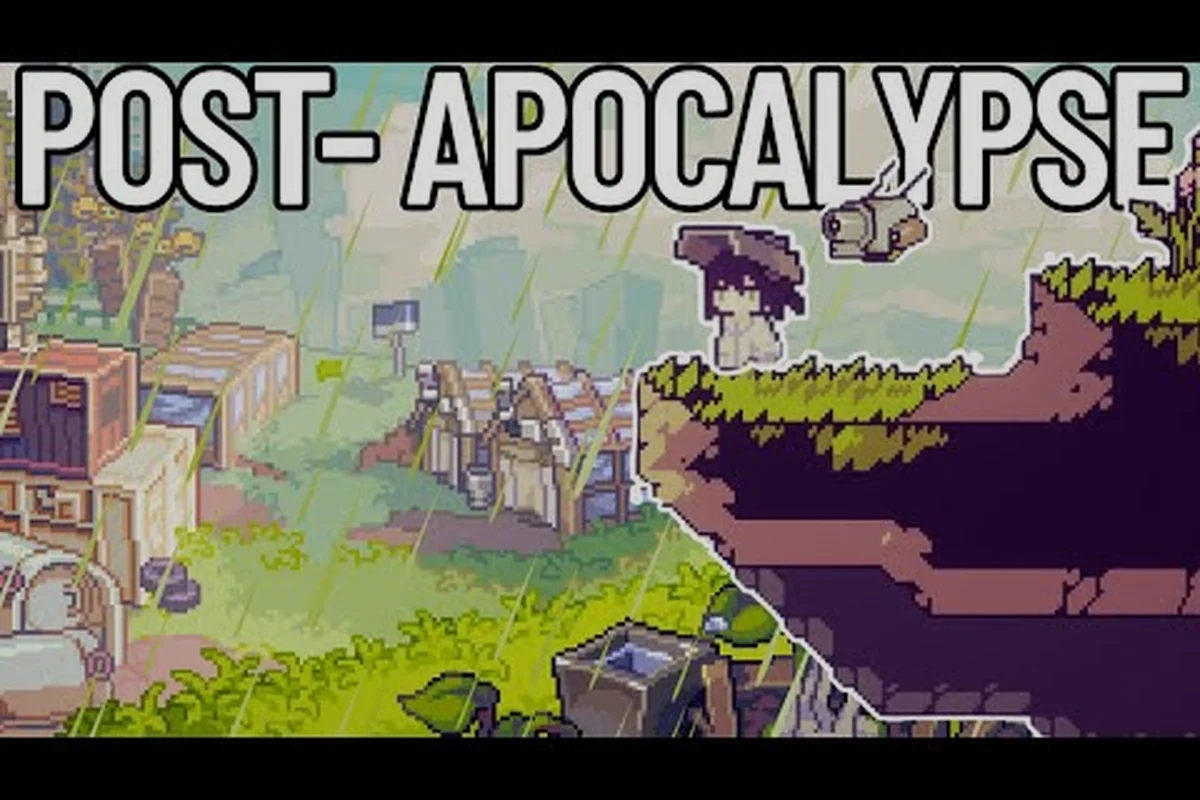
Doloc Town todas as estações explicadas começa com uma verdade brutal: este não é o seu típico simulador de fazenda. A fazenda vertical de Proti fica à beira de um deserto pós-apocalíptico onde o clima não muda apenas o seu guarda-roupa — ele determina se as suas culturas sobrevivem até a manhã seguinte. A chuva é ácida, as tempestades carregam potencial elétrico, e o calor do verão pode queimar um campo em uma única tarde.
O ciclo de quatro estações em Doloc Town é a espinha dorsal de cada decisão de cultivo, preparação de combate e escolha de engenharia genética que você fará. Cada rotação dura cerca de 20 dias no jogo, e a transição entre Mistshade, Raincrest, Blazefall e Emberreach desencadeia uma mudança completa nos recursos disponíveis, eventos climáticos e combinações ideais de culturas. De acordo com testes da comunidade na página oficial de Doloc Town na Steam, novos jogadores que pulam o preparo sazonal acabam recomeçando após a primeira destruição por chuva ácida.
Abaixo você encontrará a análise completa de cada estação, cada mecânica climática, cada ferramenta de sobrevivência e cada sinergia genética em que fazendeiros experientes de Doloc Town confiam para manter seu assentamento vivo durante todos os quatro ciclos.
-
Quatro estações com arquétipos climáticos distintos: Mistshade, Raincrest, Blazefall, Emberreach
-
Eventos climáticos são letais sem a ferramenta de contra-ataque certa — chuva ácida corrói, relâmpagos inflamam, calor queima, areia enterra
-
Sinergias genéticas podem transformar uma estação hostil em uma lucrativa quando combinadas com a cultura certa
-
Pára-raios, coberturas plásticas, máscaras de gás e bandejas internas são os quatro itens fundamentais de sobrevivência
As Quatro Estações de Doloc Town: Análise Completa
Doloc Town todas as estações explicadas resume-se a quatro ciclos distintos, cada um ligado a um arquétipo climático específico que molda tanto as suas decisões de cultivo quanto de combate. O ciclo se repete a cada ano, e o lançamento da 1.0 (agosto de 2026) confirmou que não existe uma quinta estação ou estação escondida, então dominar essas quatro é o quadro completo. Esta visão geral de Doloc Town todas as estações explicadas é a moldura de referência que todo outro guia neste site usa, incluindo o nosso artigo companheiro guia das estações de Doloc Town.
| Estação | Dias Aproximados | Clima Dominante | Principal Perigo | Melhor Estratégia de Cultivo |
|---|---|---|---|---|
| Mistshade | 1–20 | Chuva ácida, neblina | Corrosão | Culturas resistentes + gene Keratinized |
| Raincrest | 21–40 | Tempestades com raios, chuva forte | Quedas de raios | Culturas que armazenam eletricidade + gene Conductive |
| Blazefall | 41–60 | Calor escaldante, ventos secos | Incêndios nos campos | Culturas resistentes à seca + gene Thick Cuticle |
| Emberreach | 61–80 | Névoa ácida, tempestades de areia | Perda de visibilidade | Fazendas internas + gene Photosynthetic Shell |
Mistshade: O Início da Chuva Ácida
Mistshade abre cada ano de Doloc Town com uma névoa cinzenta e densa e precipitação corrosiva. A chuva ácida é mais do que texto flavor — ela danifica ativamente culturas desprotegidas, reduz a qualidade do solo em 15% por chuva (de acordo com dados da comunidade reunidos no Discord de Doloc Town), e corrói qualquer tile arado que não esteja coberto.
A sobrevivência em Mistshade resume-se a três prioridades. Primeiro, fabrique coberturas plásticas sobre suas bandejas da fazenda vertical assim que desbloquear a bancada de fabricação, porque mesmo um tile descoberto durante uma chuva ácida contaminará as fileiras adjacentes. Segundo, aplique o gene Keratinized às suas culturas iniciais para que ganhem resistência ácida; o gene custa cerca de 80 pontos genéticos e é um dos desbloqueios mais baratos de toda a árvore. Terceiro, armazene água potável, já que os barris de chuva coletarão ácido por padrão — você precisa filtrá-la através de uma peneira de carvão antes de consumir, caso contrário sua regeneração de estamina sofre.
Raincrest: Tempestades e Eletricidade
Raincrest é quando o céu de Doloc Town se abre. As quedas de raios são aleatórias, mortais para drones desprotegidos, e capazes de inflamar estruturas de madeira em um impacto direto. A boa notícia: cada raio que atinge um pára-raios adequadamente posicionado deposita uma carga elétrica gratuita no seu banco de baterias, que alimenta aspersores automatizados, lâmpadas de crescimento e estações de recarga de drones.
Jogadores veteranos na comunidade da Steam recomendam posicionar pelo menos dois pára-raios por fileira da fazenda durante Raincrest, com um pára-raios extra dedicado à plataforma de recarga de drones. A energia gerada durante uma única tempestade pode alimentar três dias completos de cultivo automatizado, o que torna Raincrest a estação mais rica em energia do ano para qualquer plano de sobrevivência de Doloc Town todas as estações explicadas.
Mecânicas Climáticas e as Ferramentas que as Contrarrestam
O sistema climático em Doloc Town todas as estações explicadas não é aleatório — cada evento tem uma condição de disparo, um perfil de dano e uma ferramenta de contra-ataque específica. Conhecer o confronto é a diferença entre uma fazenda próspera e um reinício.
| Evento Climático | Disparador | Dano | Ferramenta de Contra-ataque | Fonte |
|---|---|---|---|---|
| Chuva Ácida | Mistshade + neblina | -15% solo/cultura | Cobertura Plástica | Fabricação no jogo |
| Relâmpago | Raincrest + nuvens | Incêndio em estrutura/drone | Pára-raios | Bancada de fabricação |
| Calor Escaldante | Blazefall + céu limpo | -20% hidratação | Toldo de Sombra | Recompensa de missão |
| Tempestade de Areia | Emberreach + vento | Enterro de culturas | Bandeja Interna | Bancada de engenharia |
| Névoa Ácida | Emberreach + vento fraco | Visibilidade, estamina lenta | Máscara de Gás | Drop de loot |
Pára-raios e Energia Gratuita
Pára-raios são o melhor investimento único que você pode fazer antes do início de Raincrest. Cada haste tem 25% de chance de captura por queda dentro de um raio de 3 tiles, e as cargas capturadas se acumulam no seu banco de baterias até um limite de 100 unidades. Uma vez que você atinge o limite, as cargas excedentes se convertem em pontos genéticos bônus, o que significa que o cultivo em Raincrest se paga duas vezes.
Relatórios da comunidade no workshop de Doloc Town na Steam sugerem que posicionar hastes nos quatro cantos do quadrado da sua fazenda — em vez de agrupadas em um canto — gera cerca de 40% mais capturas por tempestade, porque os raios tendem a atingir o ponto aterrado mais alto em cada direção. Se você está usando uma build de combate pesada em drones, dedicar uma haste à plataforma de recarga de drones mantém seu esquadrão pronto para combate sem gastar bateria na automação da fazenda.
Coberturas Plásticas e Sinergias Genéticas
Coberturas plásticas bloqueiam a chuva ácida de alcançar suas culturas, mas também bloqueiam a chuva legítima de regar seu solo. O truque contra-intuitivo é deixar uma fileira descoberta durante Raincrest (que carrega apenas um risco menor de ácido porque a chuva é principalmente água limpa durante esta estação), para que você obtenha rega automática gratuita enquanto o resto da fazenda permanece protegida. Combine isso com o gene Needlepoint para cobertura seletiva de tiles, e você pode essencialmente micro-direcionar quais culturas recebem hidratação direta versus proteção abrigada.
A interação entre coberturas e o sistema genético é explorada com muito mais profundidade em nossa análise do sistema genético, que percorre cada gene disponível e suas combinações sazonais.
Estratégia Sazonal de Cultivo e Combinações Genéticas
Cada cultura em Doloc Town tem uma estação preferida, e cada gene tem um bônus disparado por clima. Combinar o gene certo com a cultura certa durante a estação certa é o que separa uma fazenda autossuficiente de um assentamento falido, e este é o coração de qualquer walkthrough de Doloc Town todas as estações explicadas.
| Cultura | Melhor Estação | Gene Necessário | Bônus de Rendimento | Notas |
|---|---|---|---|---|
| Toughwheat | Mistshade | Keratinized | +30% rendimento | Grão resistente, alimento base |
| Sparkberry | Raincrest | Conductive | +50% rendimento | Carrega bateria na colheita |
| Sunmelon | Blazefall | Thick Cuticle | +25% rendimento | Alto valor de hidratação |
| Dustcarrot | Emberreach | Photosynthetic Shell | +35% rendimento | Cresce apenas em ambientes internos |
| Ashpea | Qualquer | Nenhum | +10% rendimento | Versátil mas de baixo valor |
Para Mistshade, priorize Toughwheat com o gene Keratinized — é a fonte de alimento confiável mais barata durante a estação em que a maioria das outras culturas murcha. Sparkberry se torna a estrela de Raincrest porque cada fruta colhida deposita 2 unidades de bateria no seu banco, essencialmente transformando sua fazenda em uma usina de energia. Blazefall exige Sunmelon combinado com Thick Cuticle, já que o gene reduz a perda de água em 40% e permite que o melão sobreviva à onda de calor diurna.
Emberreach é a estação mais complicada porque Dustcarrot só cresce em bandejas internas, que requerem o upgrade da bancada de engenharia. Até desbloquear essa bancada, você dependerá de alimentos armazenados das estações anteriores, então jogadores veteranos recomendam acumular Toughwheat durante o final de Mistshade especificamente para preencher a lacuna de Emberreach. Se pescar for mais atraente para você do que cultivar em ambientes internos, nosso guia de todas as localizações de peixes lista todas as espécies capturáveis e suas janelas de disponibilidade sazonal.
Dicas de Sobrevivência Sazonal Recomendadas pela Comunidade
Depois de ler centenas de tópicos de jogadores e notas de testes da comunidade, o conselho mais consistente para sobreviver às quatro estações em qualquer guia de Doloc Town todas as estações explicadas resume-se à seguinte lista de preparação.
-
Construa pelo menos um pára-raios antes de Raincrest começar — testes da comunidade mostram que fazendas com duas ou mais hastes atingem o limite da bateria no meio da estação, enquanto fazendas com zero hastes passam a estação em dívida energética.
-
Sempre leve uma máscara de gás para Emberreach — a névoa ácida não causa dano direto a você, mas drena estamina a 5 pontos por minuto, o que torna a exploração e o combate muito mais difíceis quando a visibilidade colapsa.
-
Economize seus pontos genéticos para desbloqueios sazonais em vez de espalhá-los — colocar 80 pontos em Keratinized durante Mistshade retorna mais valor do que dividir esses mesmos pontos entre quatro genes mais baratos.
-
Desmonte estruturas de madeira antes de Blazefall — os raios durante Raincrest podem inflamar a madeira, mas o verdadeiro risco de incêndio são os ventos secos de Blazefall carregando faíscas da forja. Substituições de pedra sobrevivem a todas as estações.
-
Use a bandeja interna de Emberreach apenas para Dustcarrot — outras culturas crescem muito lentamente sob o gene Photosynthetic Shell para justificar o espaço interno.
-
Verifique a previsão do tempo diariamente no quadro de avisos da cidade — Doloc Town oferece um aviso prévio de 2 dias para cada grande evento climático, o que é tempo suficiente para trocar culturas ou implantar coberturas de emergência.
-
Combine patrulhas de drones de combate com rondas na fazenda durante Emberreach — tempestades de areia geram saqueadores hostis, e o perímetro da sua fazenda precisa de olhos quando a visibilidade cai abaixo de 30%.
Para conselhos de progressão mais amplos que cobrem combate, fabricação e exploração além do jogo sazonal, nosso walkthrough para iniciantes em Doloc Town estabelece o roteiro completo do início do jogo que complementa essas notas sazonais. Se você está planejando se aventurar fora dos muros do assentamento durante qualquer estação, o guia de exploração de todas as regiões mapeia cada bioma, seus perigos e suas tabelas de loot por estação.
Perguntas Frequentes
Quanto tempo dura cada estação em Doloc Town?
Cada estação dura aproximadamente 20 dias no jogo, então um ciclo de ano completo dura cerca de 80 dias. De acordo com as notas de lançamento da 1.0, esse tempo é fixo e não escala com a configuração de duração do dia no jogo, o que torna o planejamento de Doloc Town todas as estações explicadas muito mais previsível do que na maioria dos simuladores de fazenda.
Qual estação é a mais difícil de sobreviver?
Emberreach é amplamente relatada pelos jogadores como a mais difícil porque a névoa ácida reduz a visibilidade a quase zero enquanto você ainda precisa cultivar em ambientes internos e se defender contra spawns de tempestades de areia. Raincrest é perigosa, mas lucrativa se você investir em pára-raios cedo.
Posso pular uma estação dormindo durante ela?
Não — o contador de dias avança independentemente de você estar acordado, e os eventos climáticos disparam em um cronograma fixo. Dormir durante Raincrest significa perder cada oportunidade de captura de raios e perder culturas desprotegidas para a tempestade.
As culturas morrem permanentemente quando atingidas por chuva ácida?
As culturas sofrem dano parcial por chuva ácida, mas não morrem permanentemente a menos que a qualidade do solo caia abaixo de 10%. Usar coberturas plásticas e o gene Keratinized mantém a qualidade do solo bem acima desse limiar, então a perda permanente de culturas é rara para fazendeiros preparados seguindo qualquer checklist de Doloc Town todas as estações explicadas.
O sistema genético reinicia entre as estações?
Não, as modificações genéticas são permanentes para o playthrough atual. Você pode aplicar genes diferentes a lotes de culturas diferentes, mas os pontos genéticos que você gasta permanecem gastos até você iniciar um novo arquivo de save.
Qual foi a transição de estação mais complicada que você já sobreviveu em Doloc Town — a mudança de Raincrest para Blazefall, ou o colapso de névoa no final de Emberreach? Deixe sua pior história de destruição nos comentários e marque um amigo que ainda esquece de verificar o quadro de avisos antes da chuva ácida chegar.